Beach Towels, Sand and Lint: Dryer Care Near the Coast
Living near the beach means piles of towels, sandy swimsuits and a busy dryer. Simple habits that keep sand and lint from building up in the dryer and vent.
Living near the beach in Ponte Vedra Beach comes with a certain kind of laundry. Beach towels after every outing, sandy swimsuits, damp cover-ups and the occasional load of sheets from weekend guests. Towels in particular produce a lot of lint, and sand has a way of following them into the laundry room.
None of that is a problem on its own. But a dryer that handles a lot of towels needs a little more attention, and so does the vent behind it. Here's a practical routine.
Why towels are hard on a dryer vent
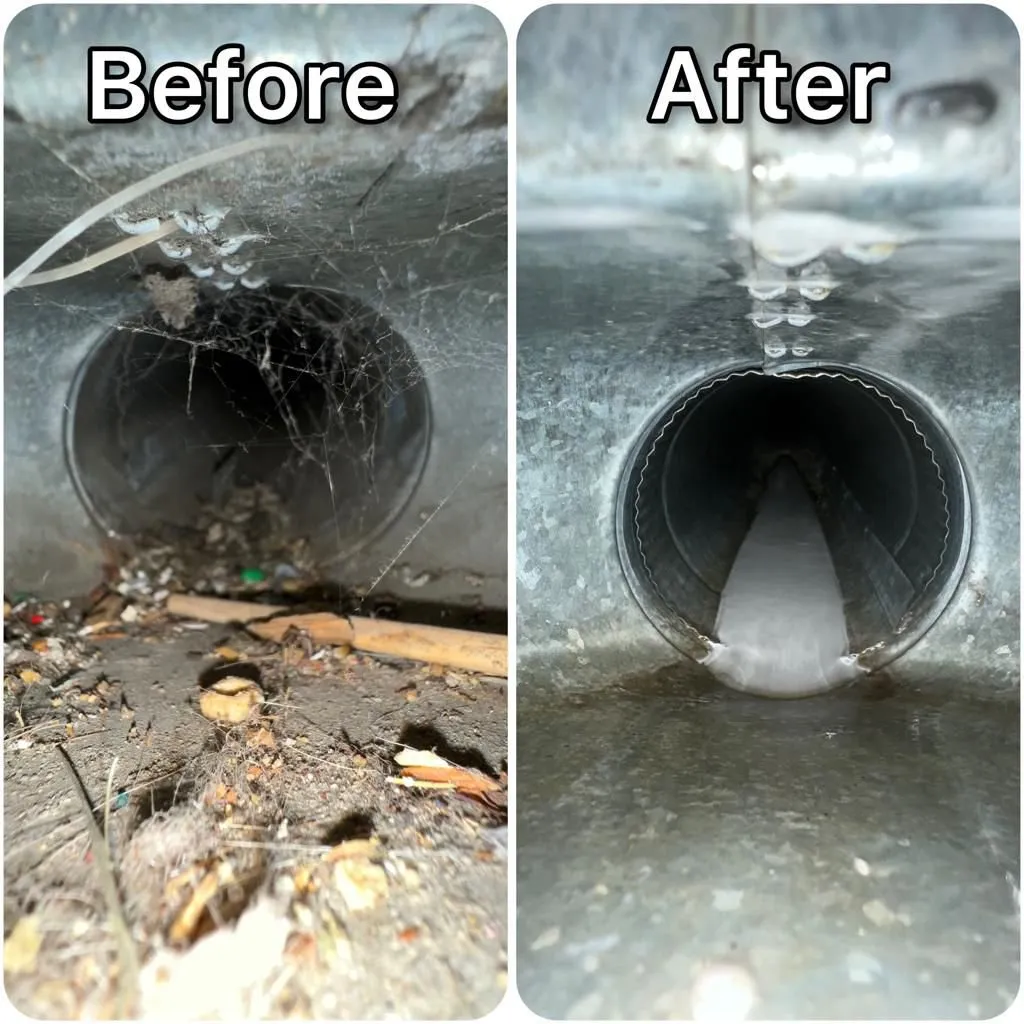
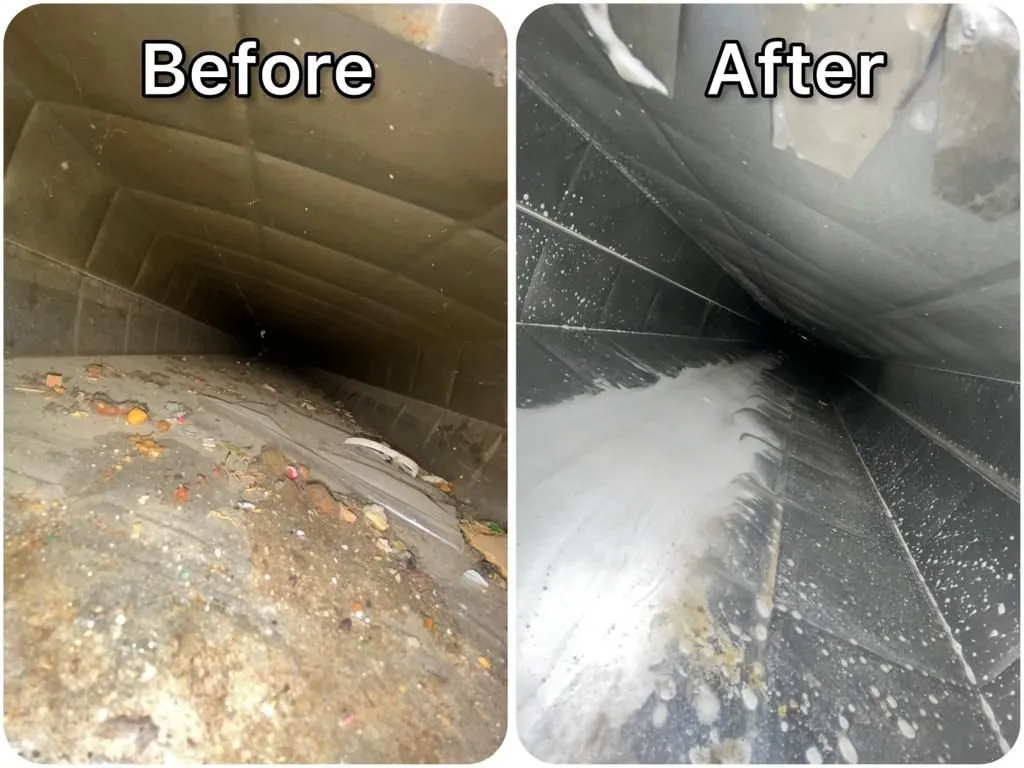
Thick cotton towels shed fibers in the dryer, and those fibers become lint. The lint screen catches most of it, but not all. The rest travels with the hot, moist air into the vent and toward the exterior hood. Over time, it builds up along the inside of the duct and at the hood.
Fire safety guidance from the NFPA, published by the U.S. Department of Energy, says the leading cause of home clothes dryer and washer fires is failure to clean them. A household drying lots of towels has more lint to deal with than most.
Keep sand out of the laundry room
Sand doesn't burn, but it gets everywhere, including the lint screen, the drum and the floor behind the machines. A few simple habits help:
- Shake towels and swimsuits outside before they come in the house.
- Rinse sandy items with a hose or outdoor shower and let them dry a bit before washing.
- Keep a bin by the door for beach gear so it doesn't go straight into the washer.
- Wipe out the drum if you notice grit after a load.
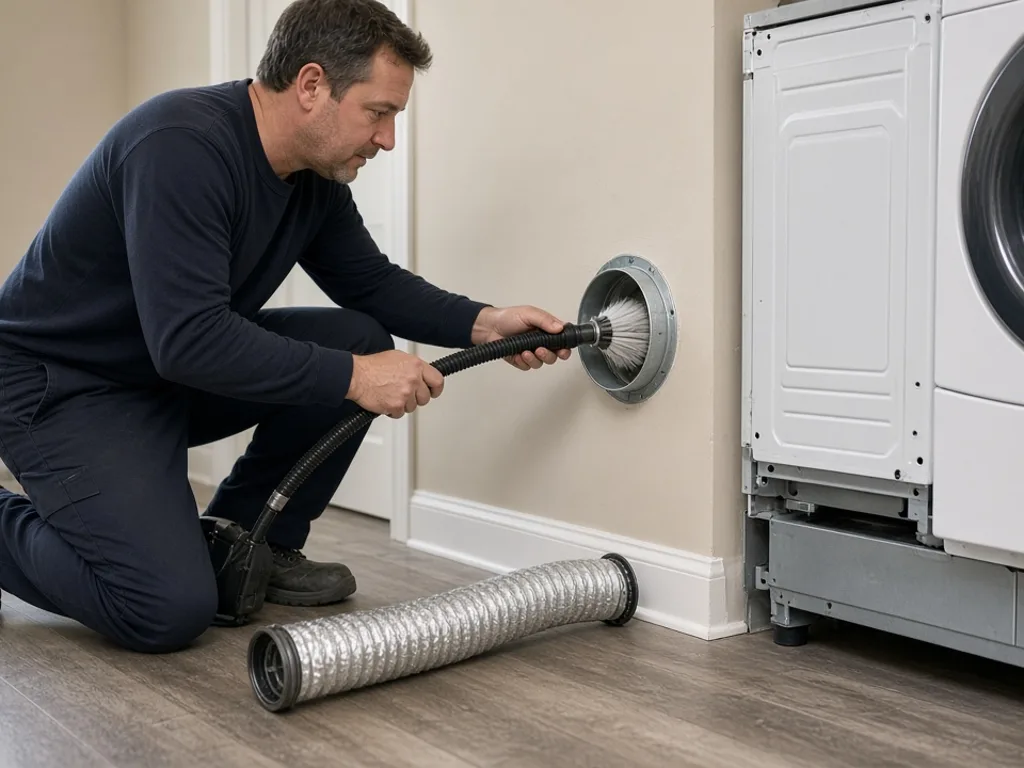
- Vacuum behind and under the dryer every so often. The U.S. Fire Administration recommends cleaning behind the dryer, where lint builds up, and sand tends to collect there too.
Habits for a busy dryer
During beach season, the dryer might run several loads a day. These habits matter more than usual:
- Clean the lint screen before or after every load. The NFPA tip sheet recommends it, and with towels it fills fast.
- Don't run the dryer without the lint screen in place.
- Avoid overloading. The NFPA tip sheet says to avoid overloading the dryer and to follow the manufacturer's operating instructions. A giant pile of wet beach towels is a common culprit.
- Don't leave the dryer running when you leave home or go to bed.
- Keep the area around the dryer clear of things that can burn, like piles of clothing or boxes.
Watch for these signs
The U.S. Fire Administration notes that if heavy items like towels are taking a long time to dry, or clothes feel hotter than usual at the end of the cycle, a clogged dryer vent is likely the problem. Other things worth noticing:
- Towels needing a second cycle when one used to be enough
- The laundry room feeling unusually warm or humid
- A burning smell
- Lint showing up around the exterior hood or the flap not opening when the dryer runs
Many newer dryers also show a "check vent" or airflow warning when they sense a restriction.
The outside hood near the coast
Near the coast, the exterior hood deals with wind, salt air and the occasional critter. Every so often, walk outside while the dryer is running. You should feel warm air coming out and see the flap open. The NFPA tip sheet recommends making sure the outdoor vent flap opens when the dryer is operating. If the hood is damaged, the flap is stuck or there's lint packed around it, that's a good time to have the vent looked at.
How often to clean the vent
The NFPA tip sheet recommends cleaning lint out of the vent pipe once a year, or more often if clothes are taking longer than normal to dry. For a household going through a lot of towels, paying attention to drying times is the best guide.
Our dryer vent cleaning is $99 to start, covering up to 10 feet of vent, plus $15 per additional foot, with an inspection included. We clean through to the exterior hood and check that the outside flap opens and closes. If we see a plastic or foil connector behind the dryer, we'll point it out. The USFA recommends metal dryer ducts. See our pricing page for every service in one place.
Our service areas page lists the towns we cover around Ponte Vedra Beach.
If beach season left your dryer running slow, request a free estimate from OB Air Duct Cleaning Ponte Vedra Beach. You can also read our post on dryer vent fire warning signs.
Sources
- Clothes Dryer Fire Safety, U.S. Fire Administration, accessed October 22, 2026
- Clothes Dryer Fires in Residential Buildings (2008-2010), Topical Fire Report Series Vol. 13, Issue 7, U.S. Fire Administration, August 2012
- Clothes Dryer & Washing Machine Safety, NFPA, published by the U.S. Department of Energy, accessed October 22, 2026